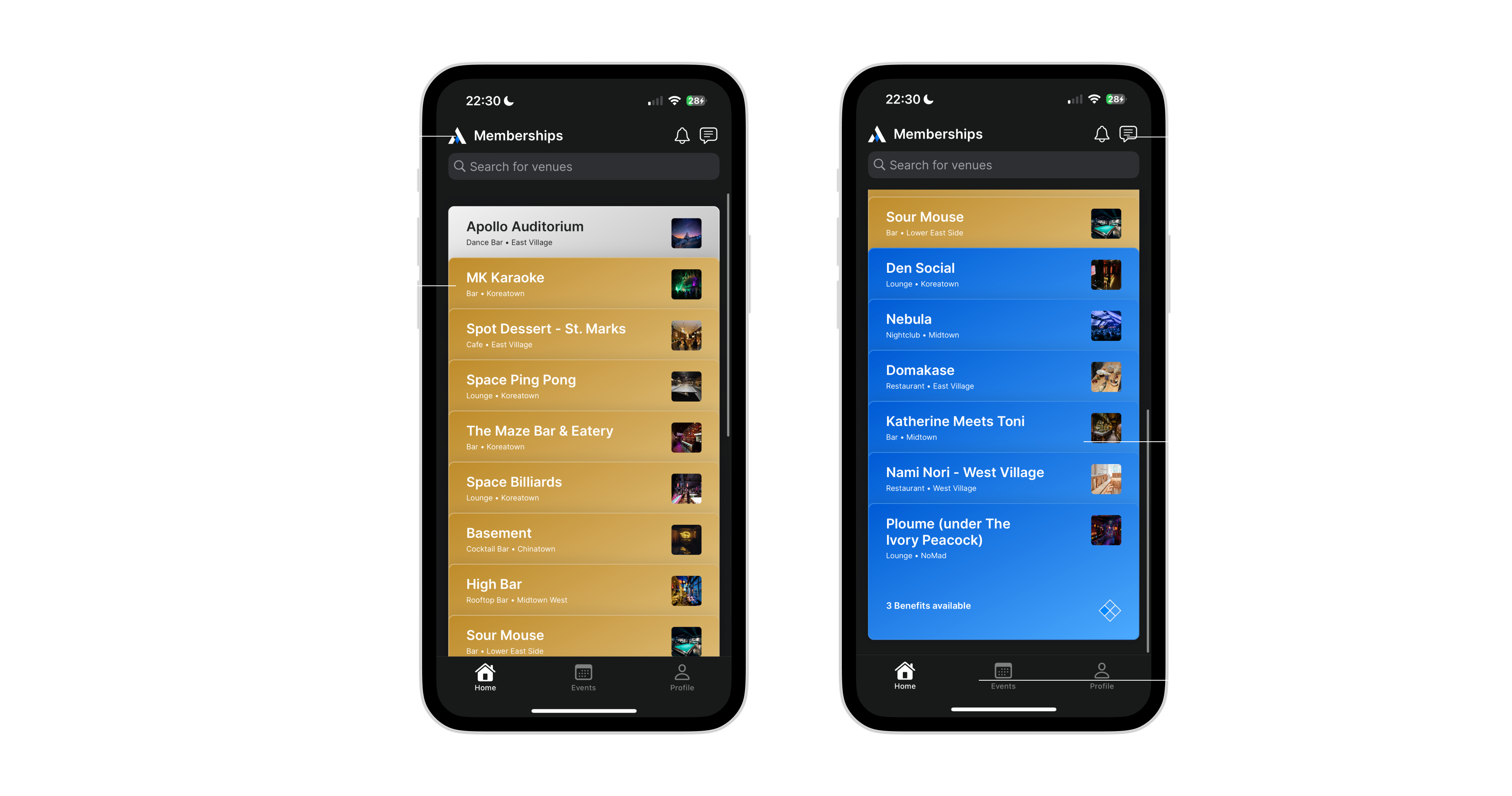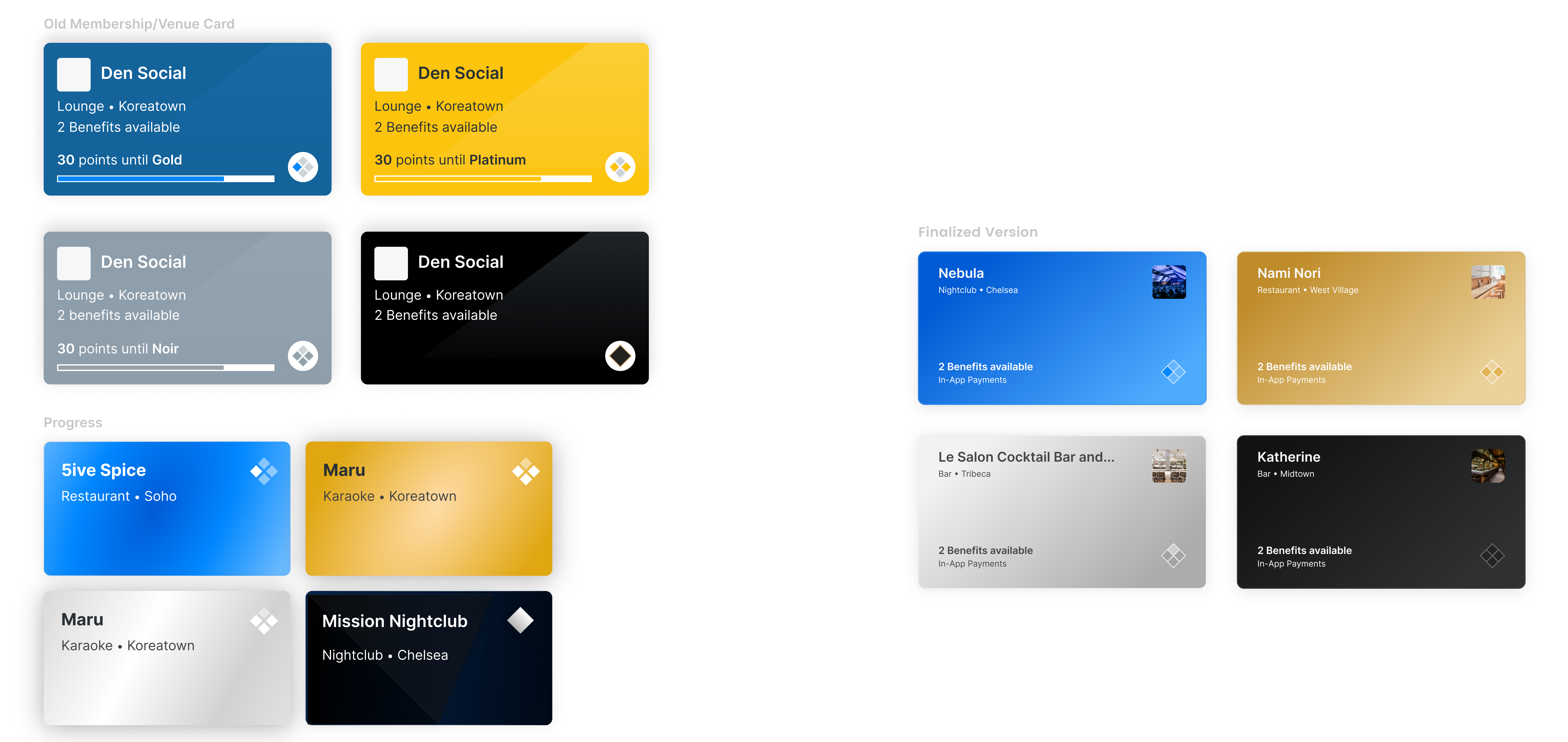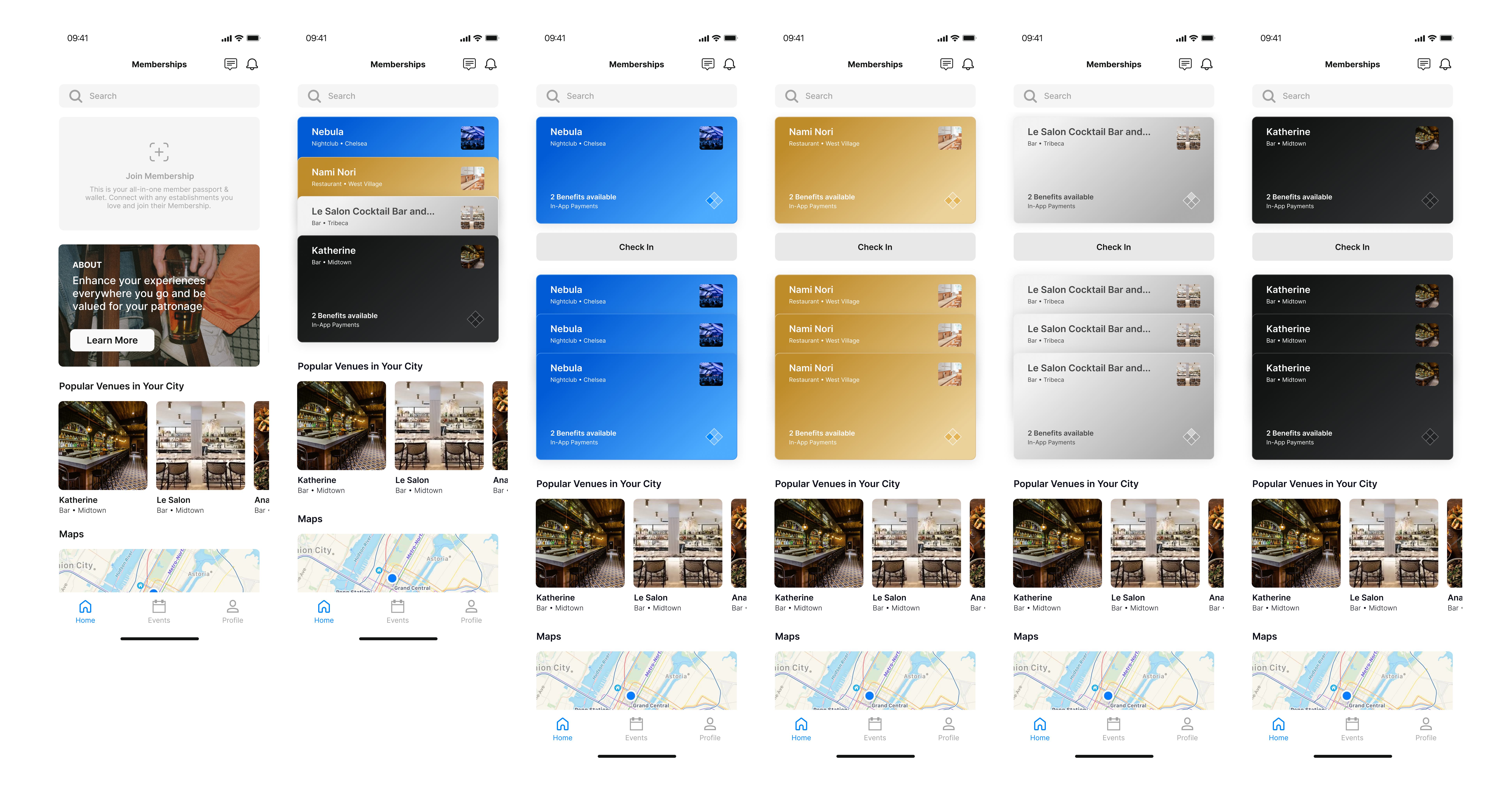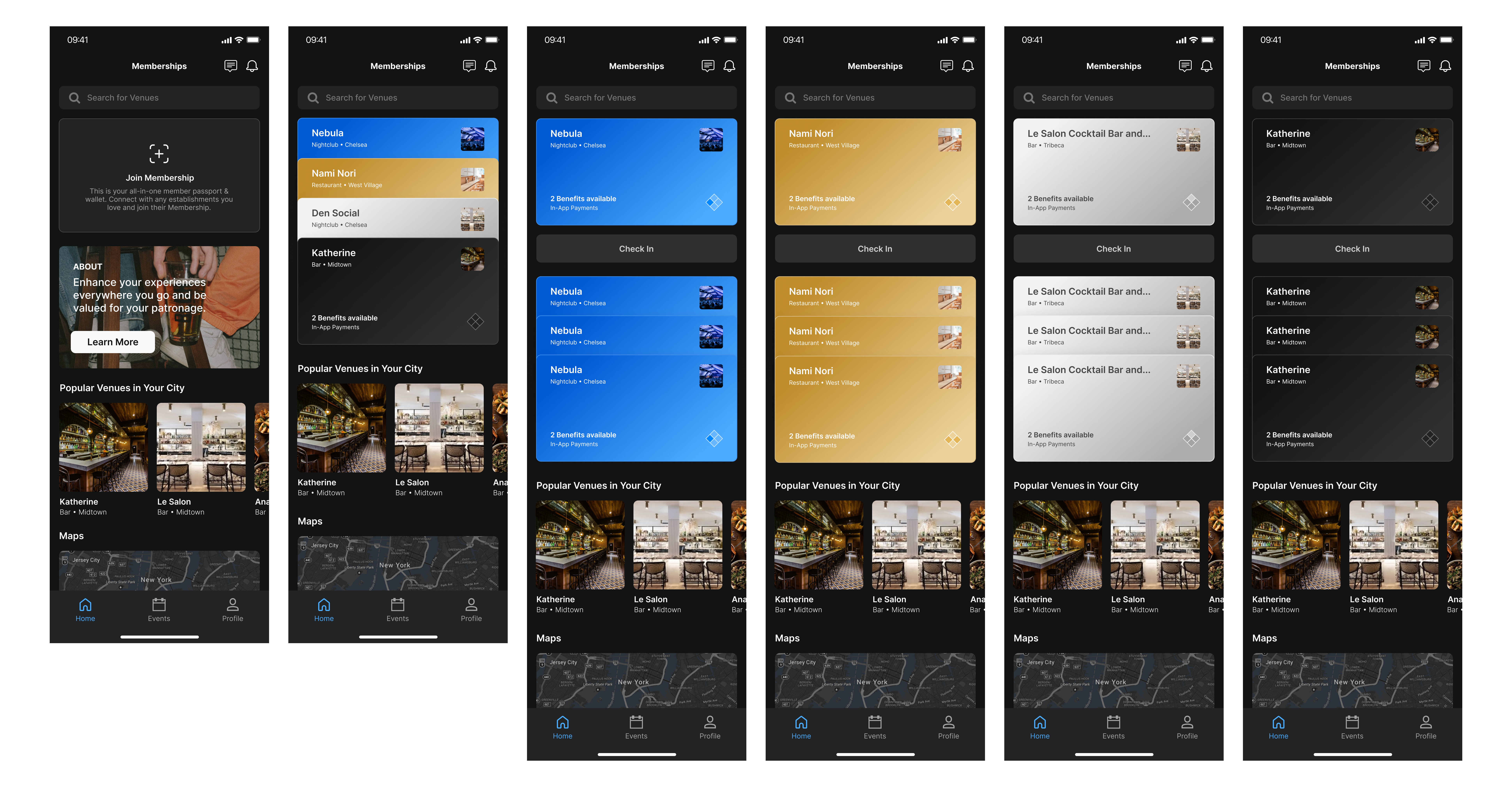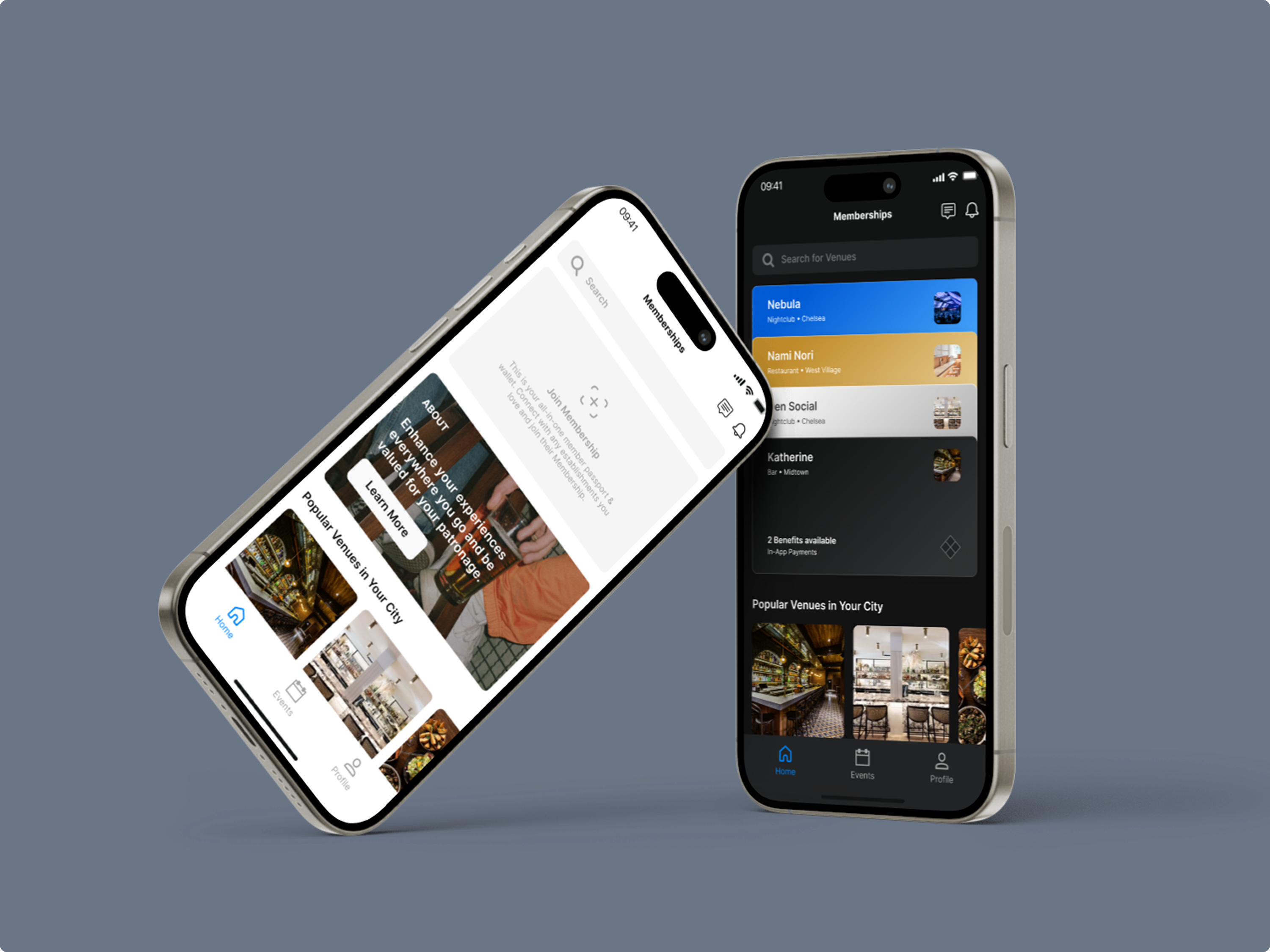
Apollo ID Project Cover

APOLLO ID

Designing an end-to-end table reservation system for NYC's premier venue membership loyalty platform — serving 100+ partner venues across restaurants, bars, and nightclubs.

ClientApollo Technology
RoleUI Designer & User Researcher
DurationJuly 2021 — August 2022
ScopeUser Research, Interface Design
TeamJacey Chen + Rainey Chak (Co-designer)
ToolFigma
01
Overview
01Overview
About

The Venue Membership Platform

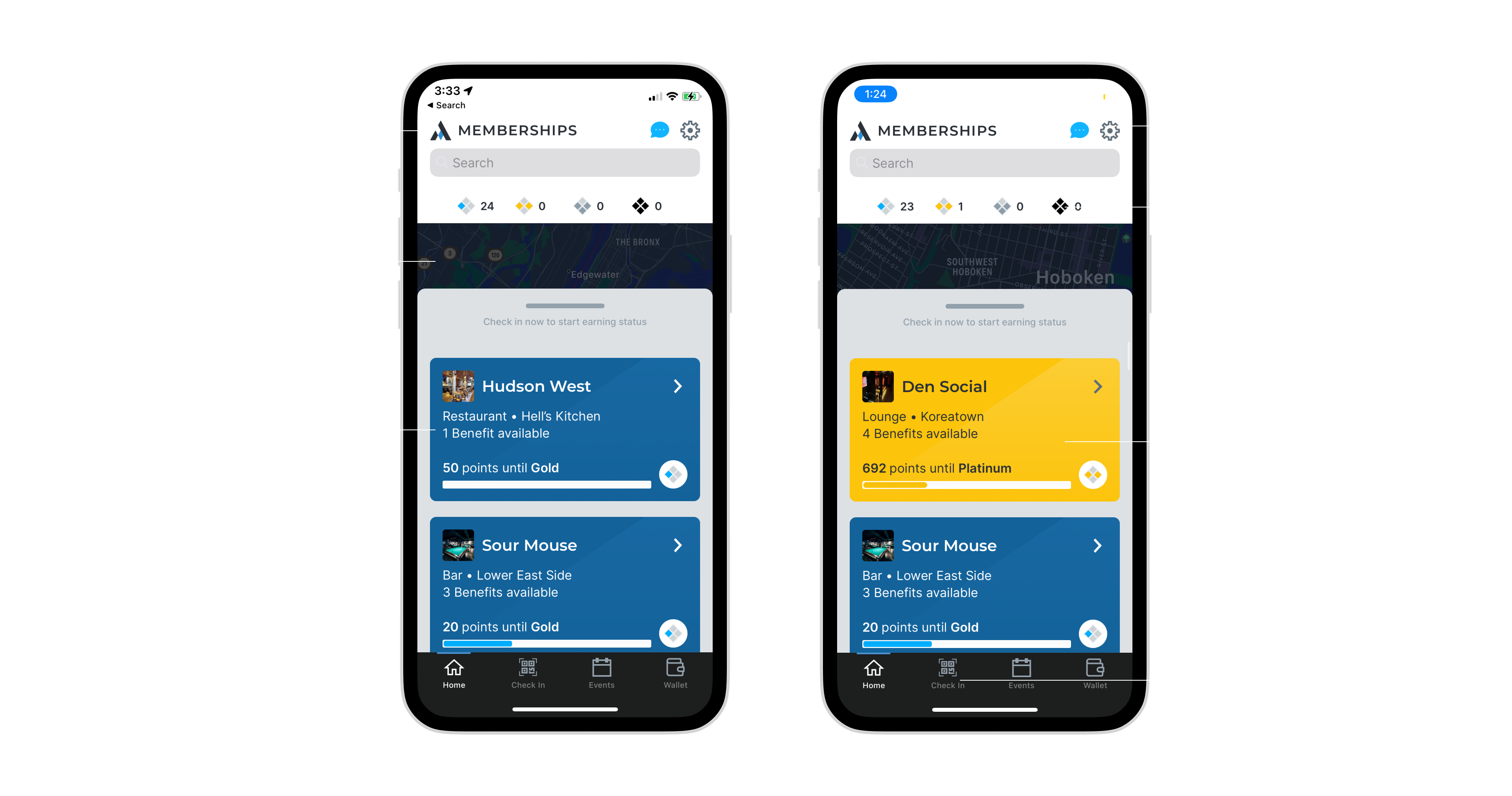
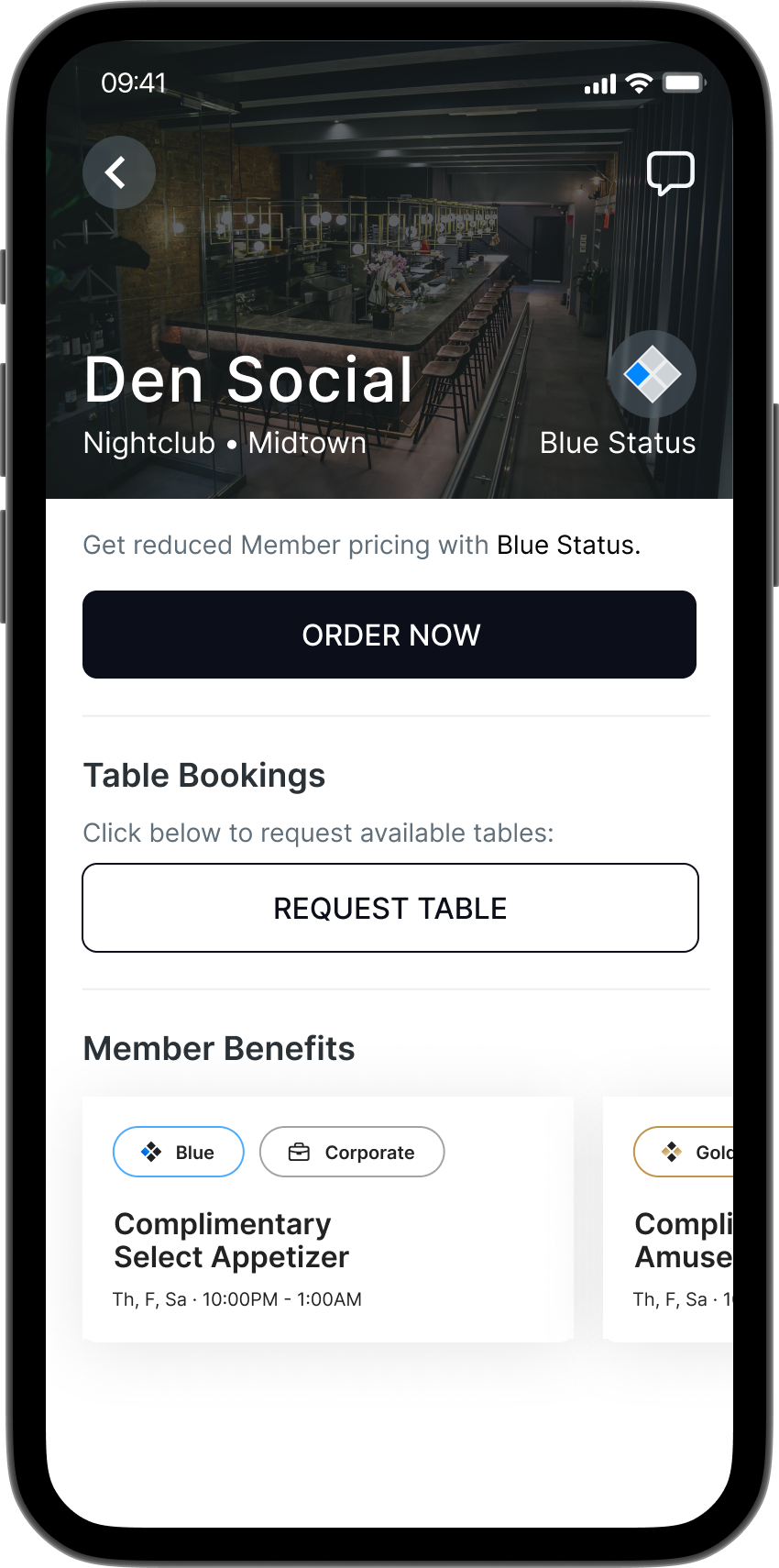
Apollo ID is NYC's venue membership loyalty app, connecting users to exclusive perks — expedited entry, complimentary drinks, BOGO deals — across 100+ partner restaurants, bars, nightclubs, and karaoke lounges. Users discover and book; venues manage members through the companion Apollo HQ app.
Challenge

Reservation Chaos

Bar and nightclub partners were drowning in reservation requests arriving through phone calls, texts, emails, website forms, in-app chat, and walk-ins — especially before weekends. This fragmented workflow made it nearly impossible for staff to track availability or respond consistently. Both venues and users were asking for a single, unified booking channel inside the app.

Solution

In-App Table Reservations

A reservation feature enabling users to request tables on specific dates, with venues reviewing and acting on requests (approve / deny) through Apollo HQ. Designed for bar and nightclub partners first, then expanded to restaurants.

Competitive Analysis

Crowded Landscape, Unique Position

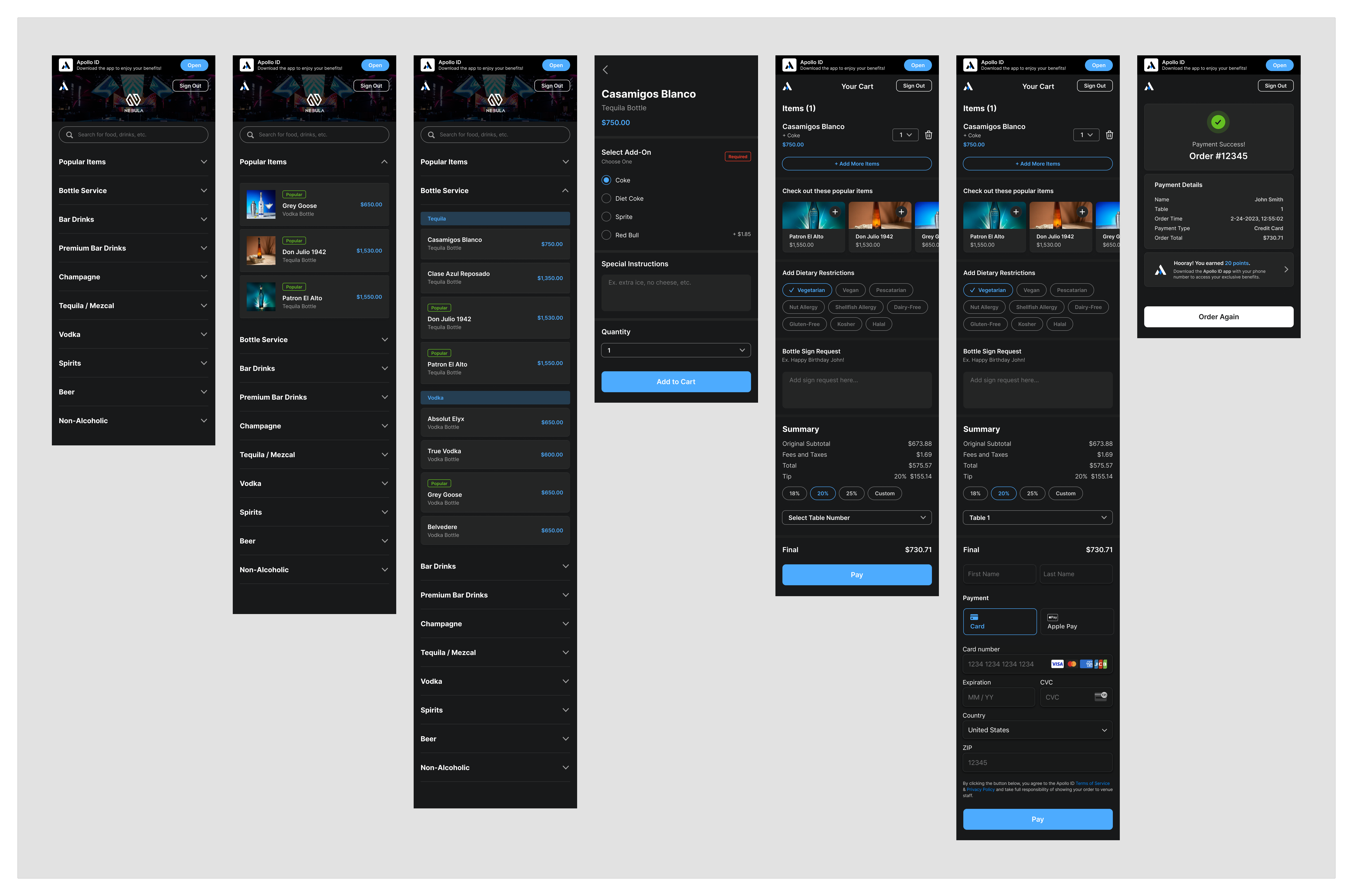
Analyzed OpenTable, Resy, SevenRooms, Tock, and MiniTable to understand how reservation platforms handle guest input, date/time selection, and table availability display. The insight: these platforms only do reservations. Apollo ID's differentiator is combining reservations with in-app ordering and exclusive membership benefits — positioning us as a one-stop venue management solution.

Stakeholder Interviews

Learning the Business

Partnered with the Account Executive managing venue relationships to understand how each venue type handles reservations differently. Despite operational differences, the core UX needed to remain consistent across all venue types — a key design constraint that shaped every subsequent decision.

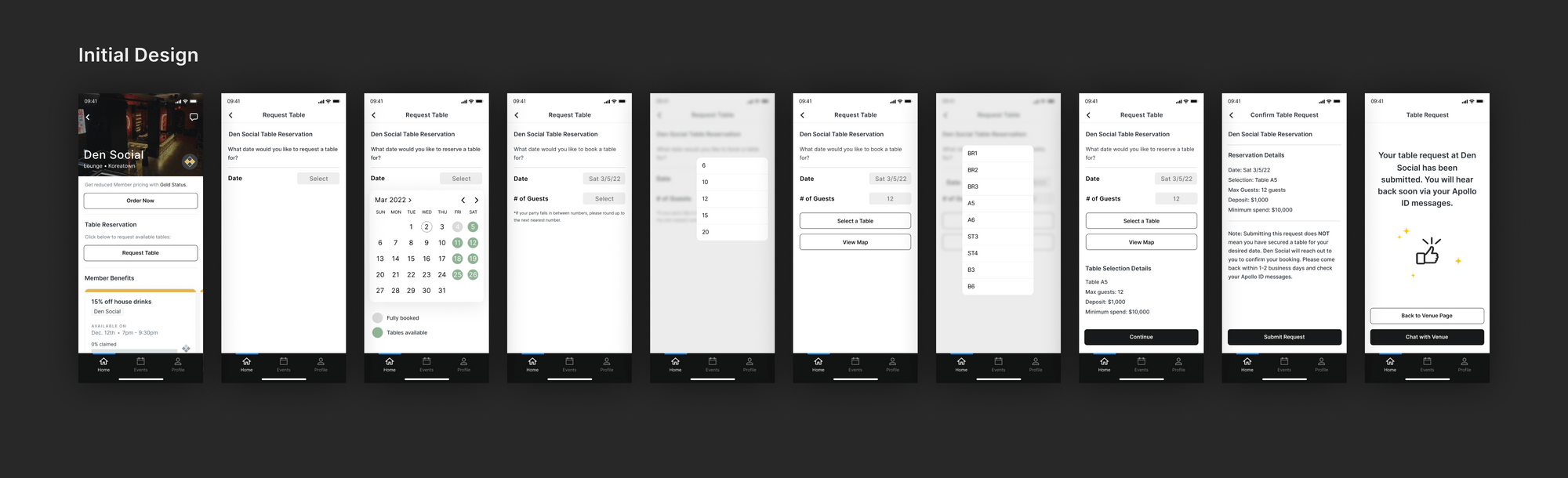
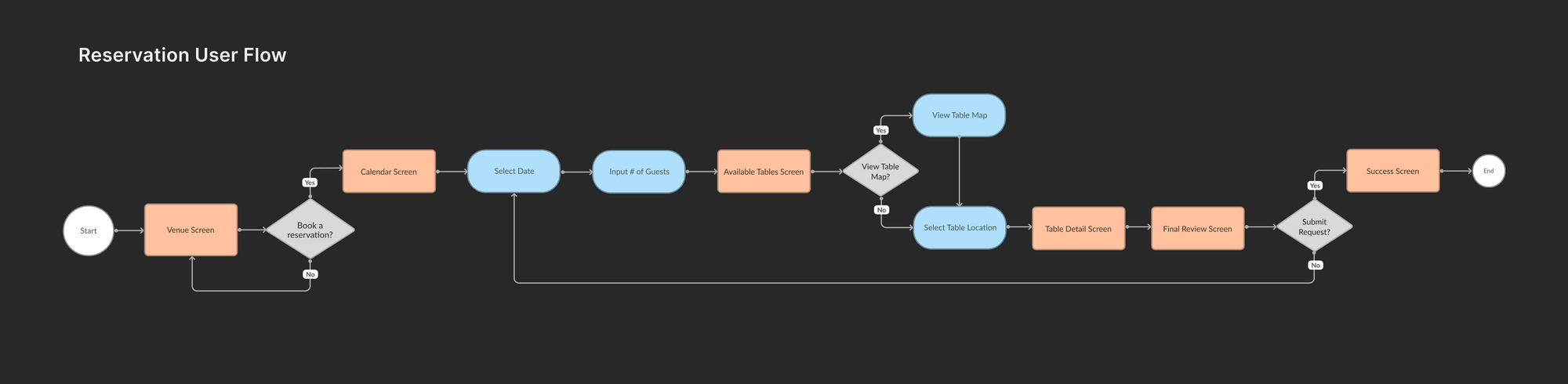
Apollo ID User Flow

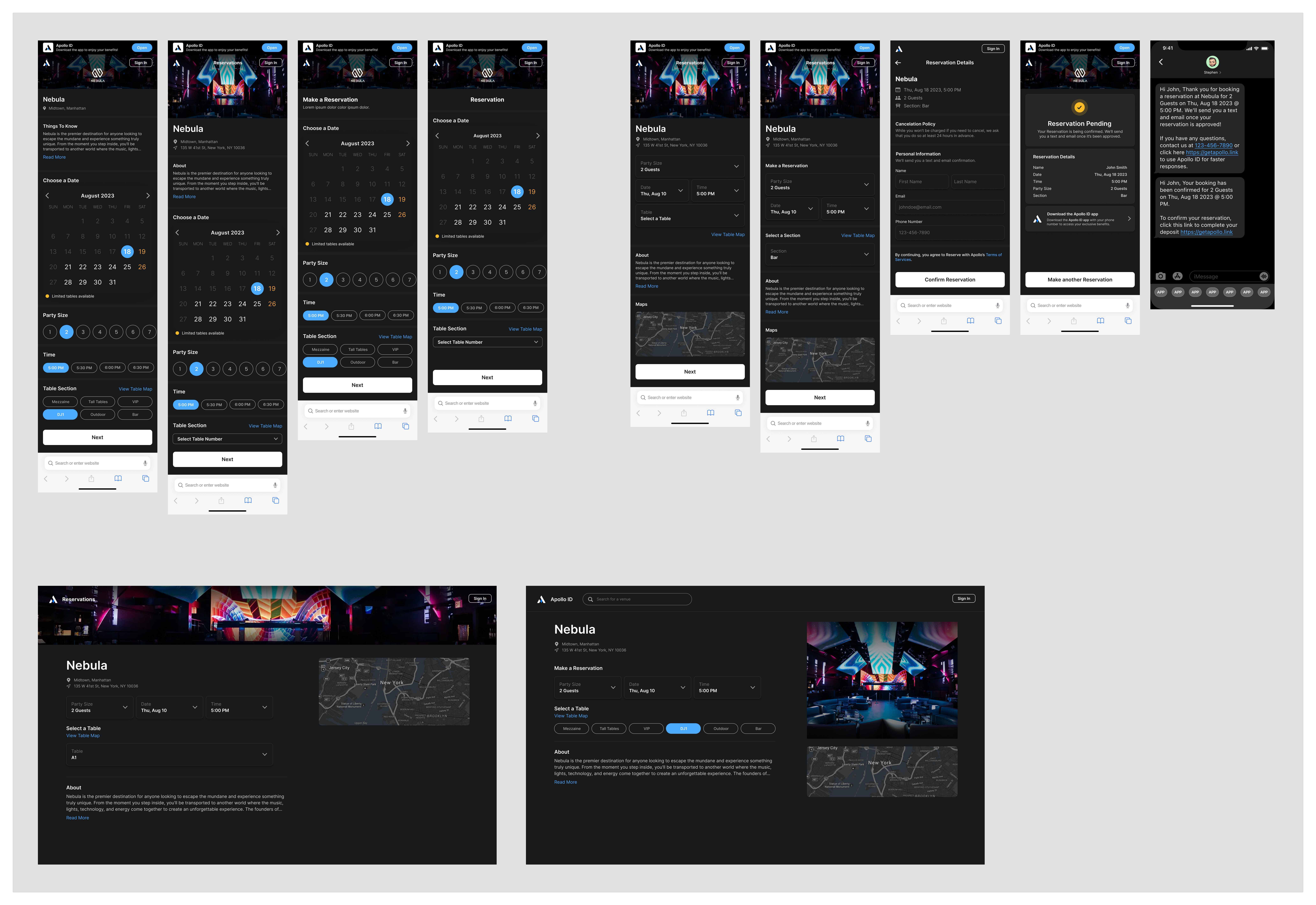
Reservation user flow — from guest count to confirmation

User Flow

Step-by-Step on Mobile

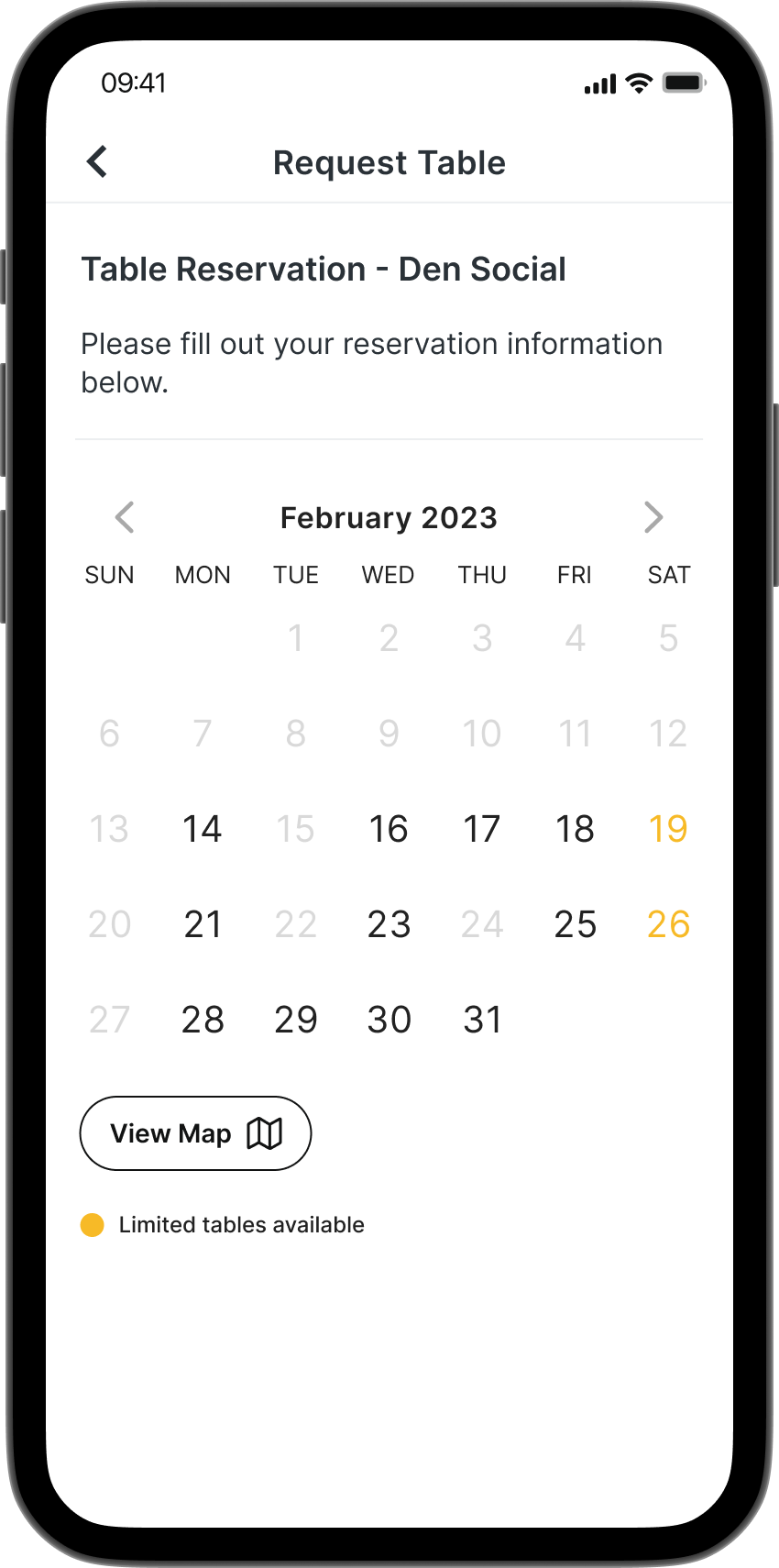
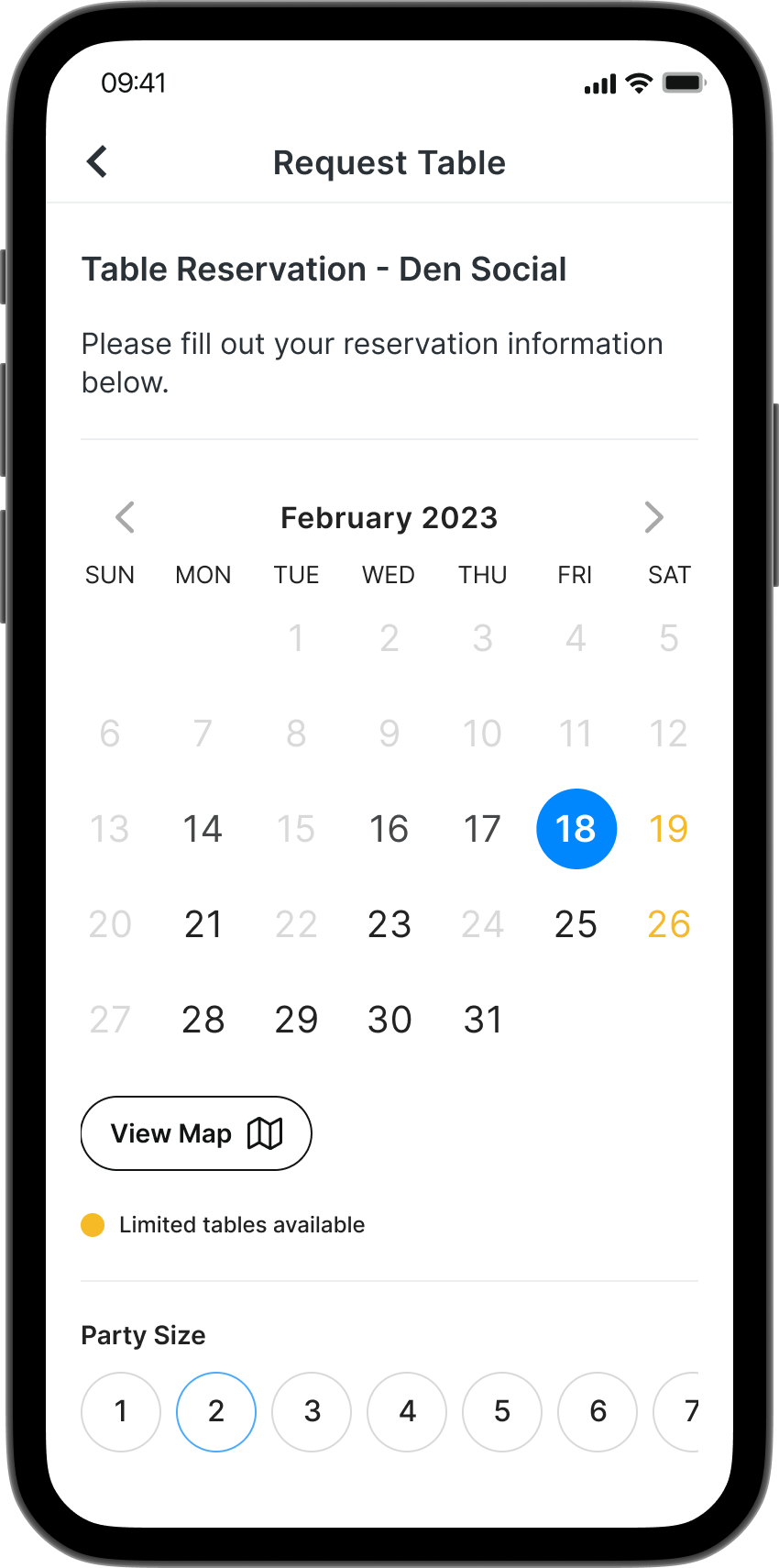
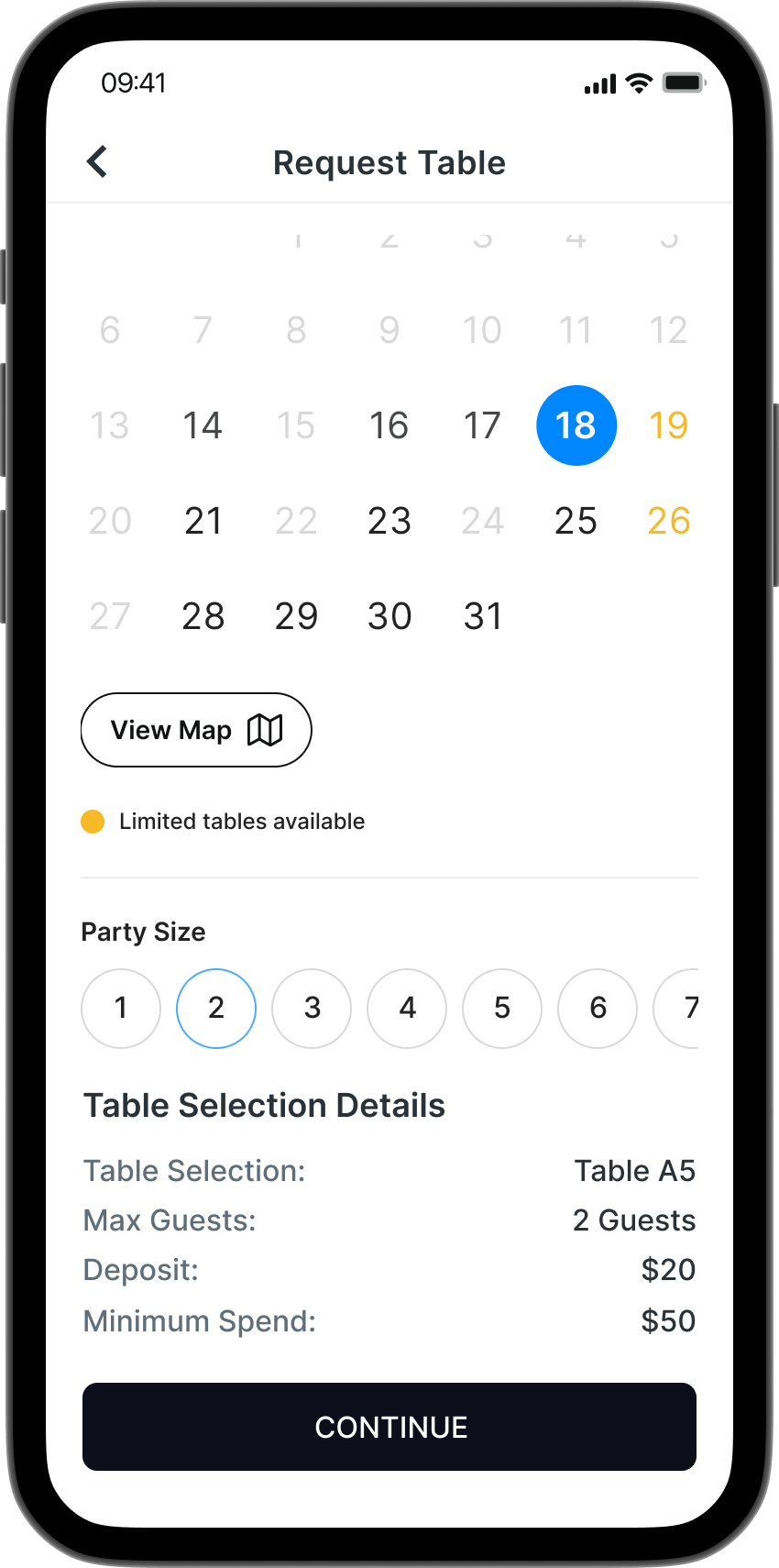
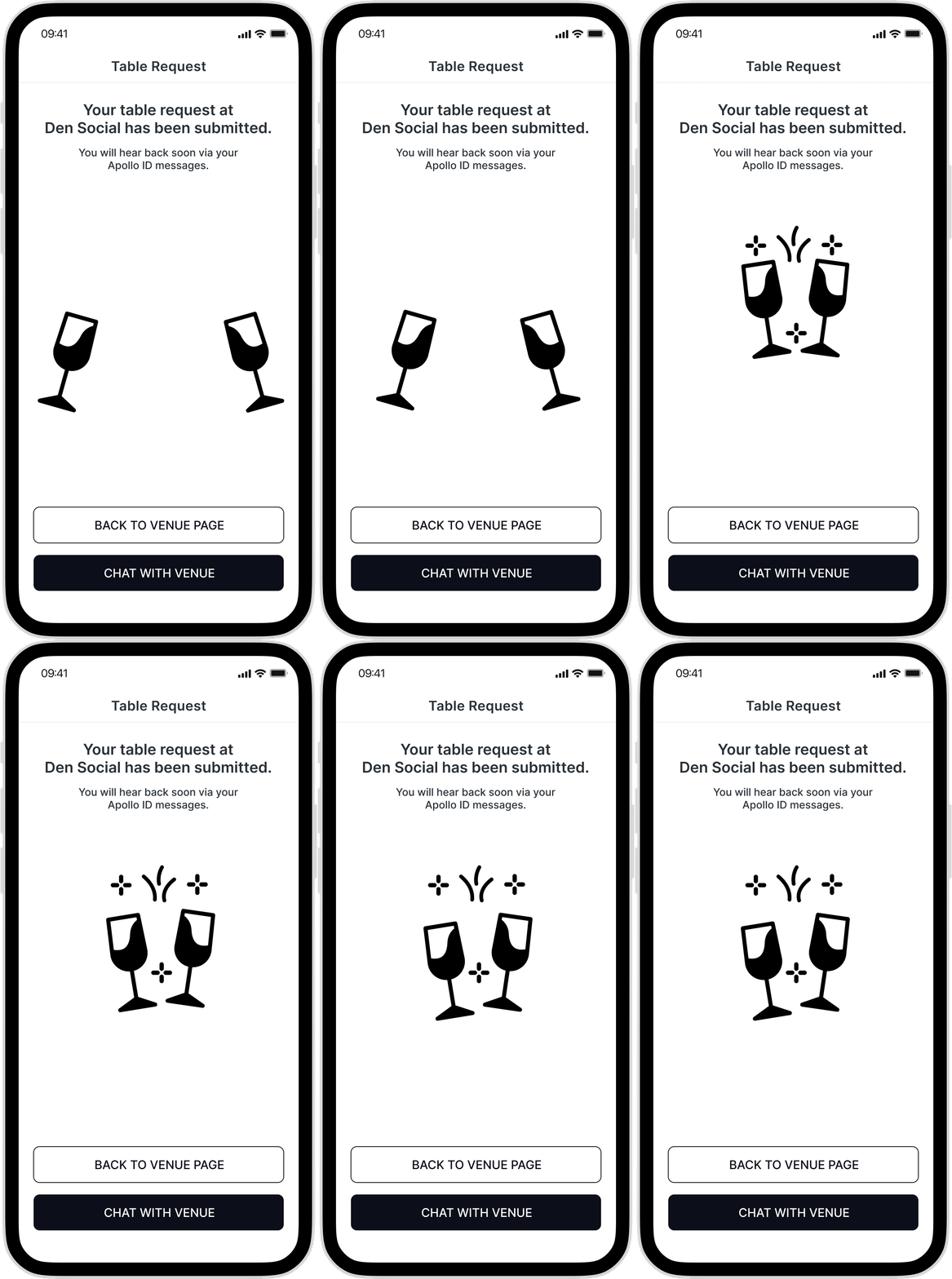
Embracing mobile-first constraints, I broke the reservation flow into sequential screens to avoid overwhelming users: guest count → date & time → available tables → deposit info → confirmation. Each step shows only what's needed, keeping cognitive load low.

MVP V1

First Pass & Hard Questions

Presented initial screens to the team for MVP scoping. The review surfaced critical questions that pushed the design far beyond the original scope:

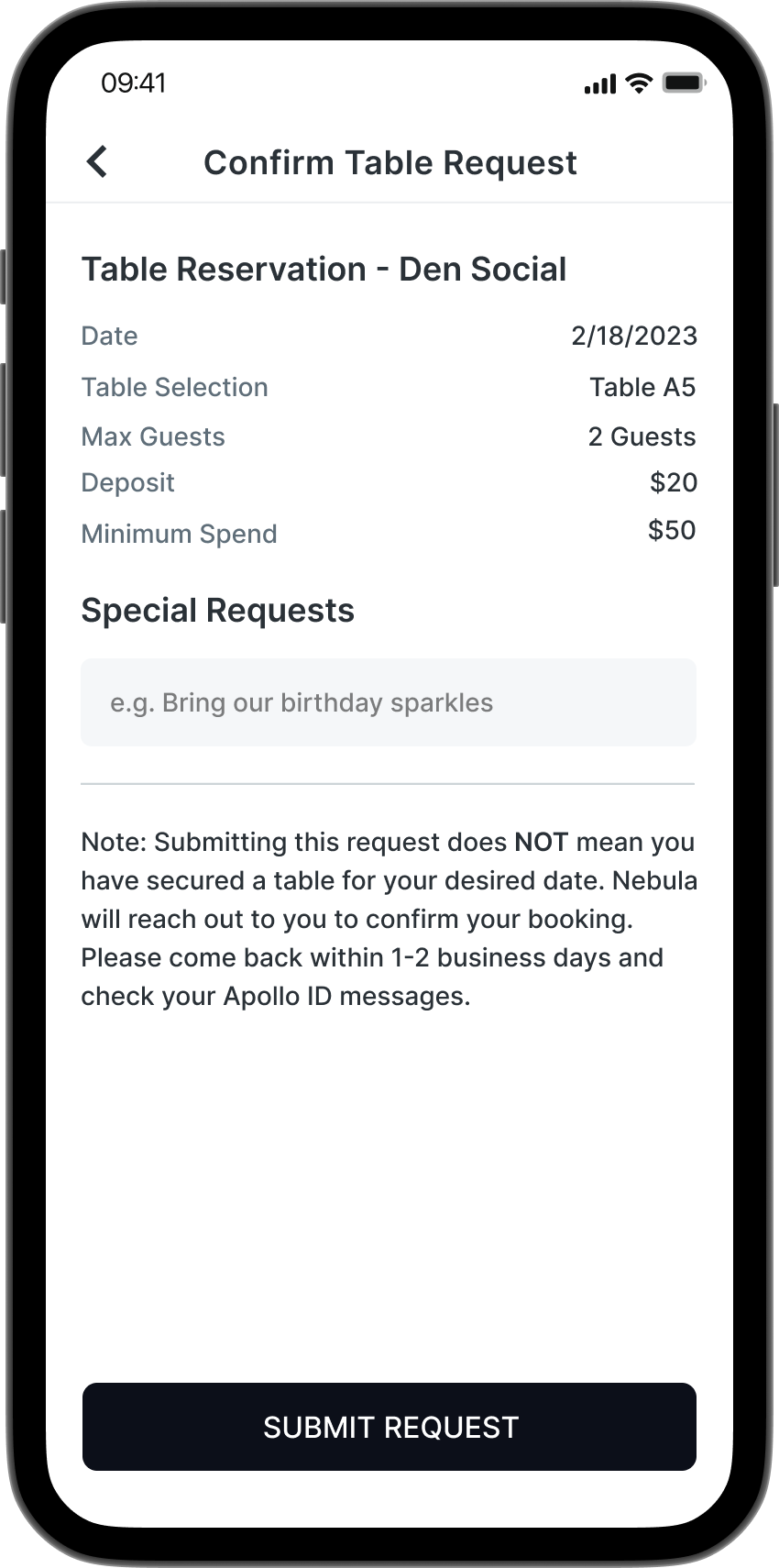
  • How do guests add notes or special requests?
  • How do we tie reservations to individual member identity?
  • How can group members find their table location?
  • How do members invite friends to join a table?
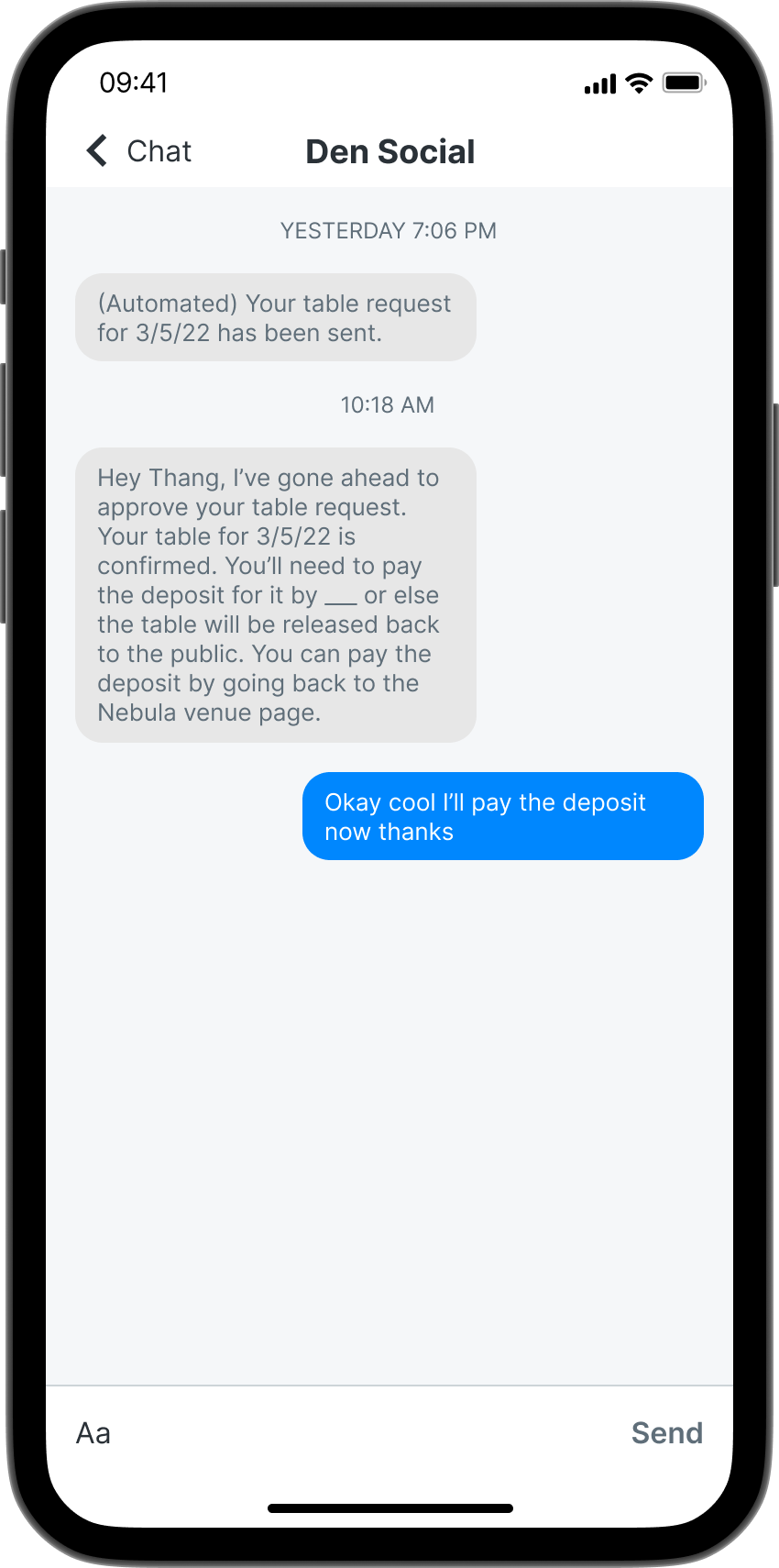
  • How do venues communicate with members post-booking?
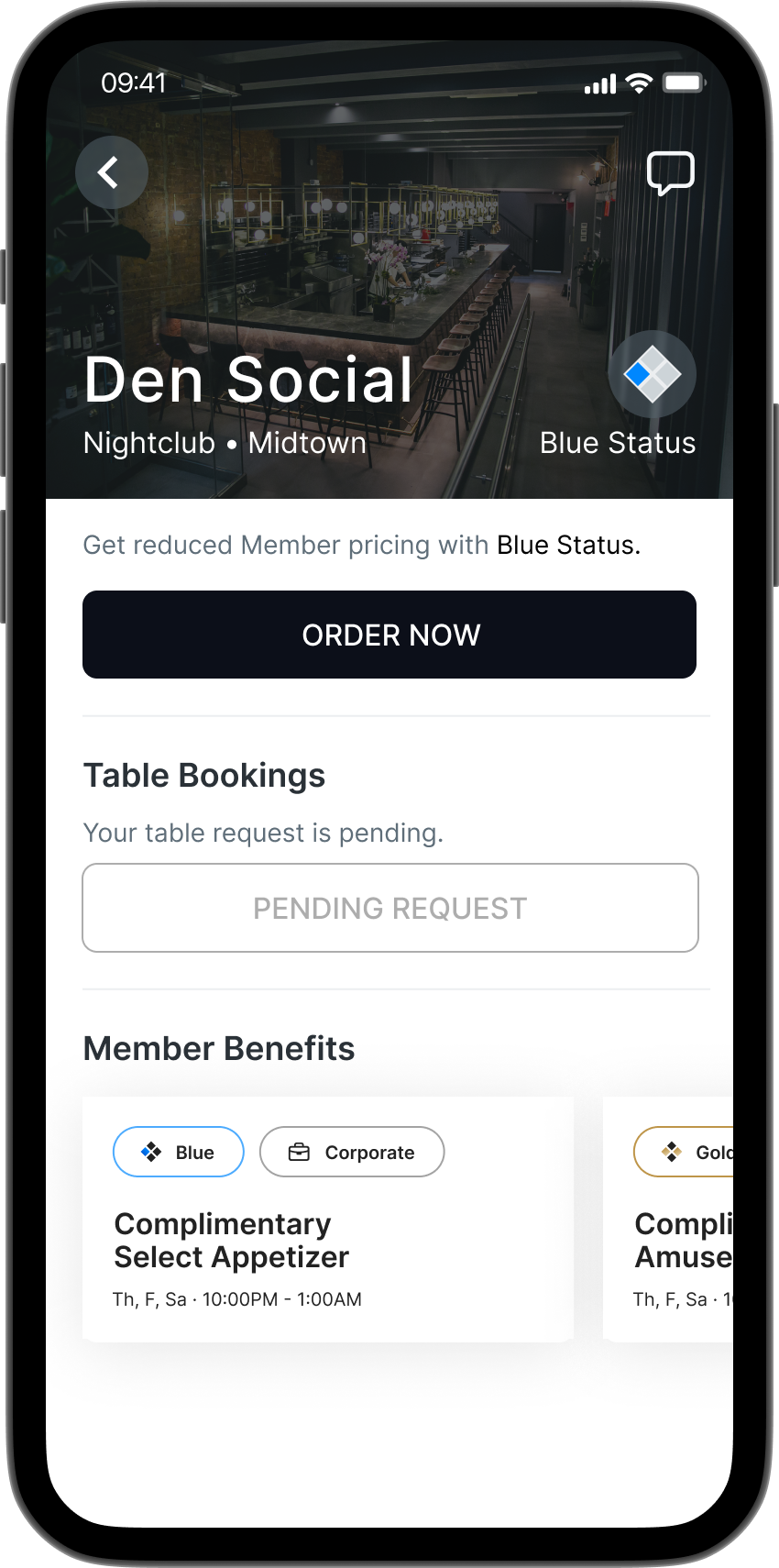
  • Where do pending/upcoming reservations live in the app?
  • How do staff review and approve requests in Apollo HQ?
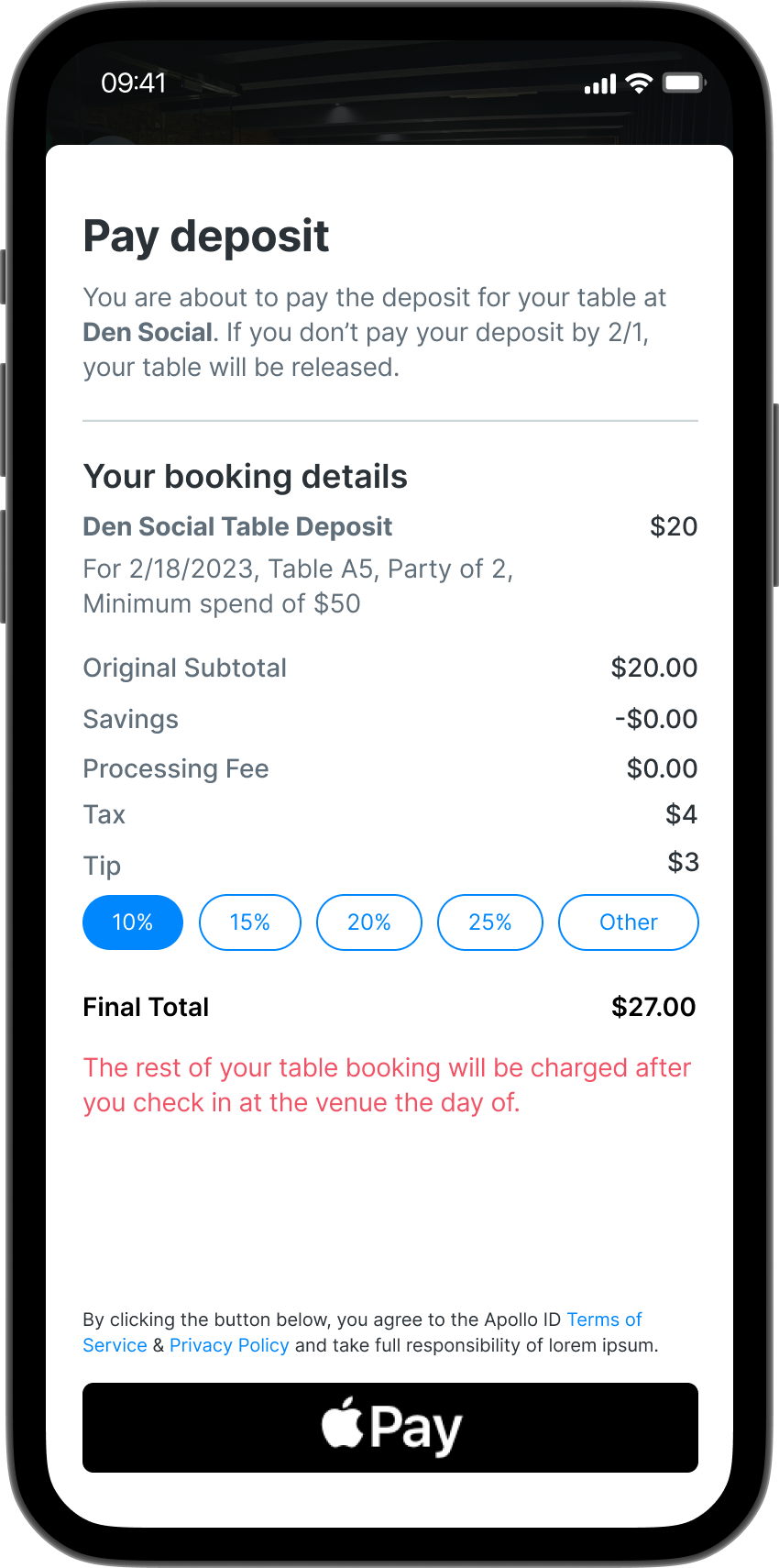
  • How do we handle deposits and no-shows?
Apollo Concept Screens
Apollo MVP V1 Screen 1
MVP Reiteration

Addressing the Gaps

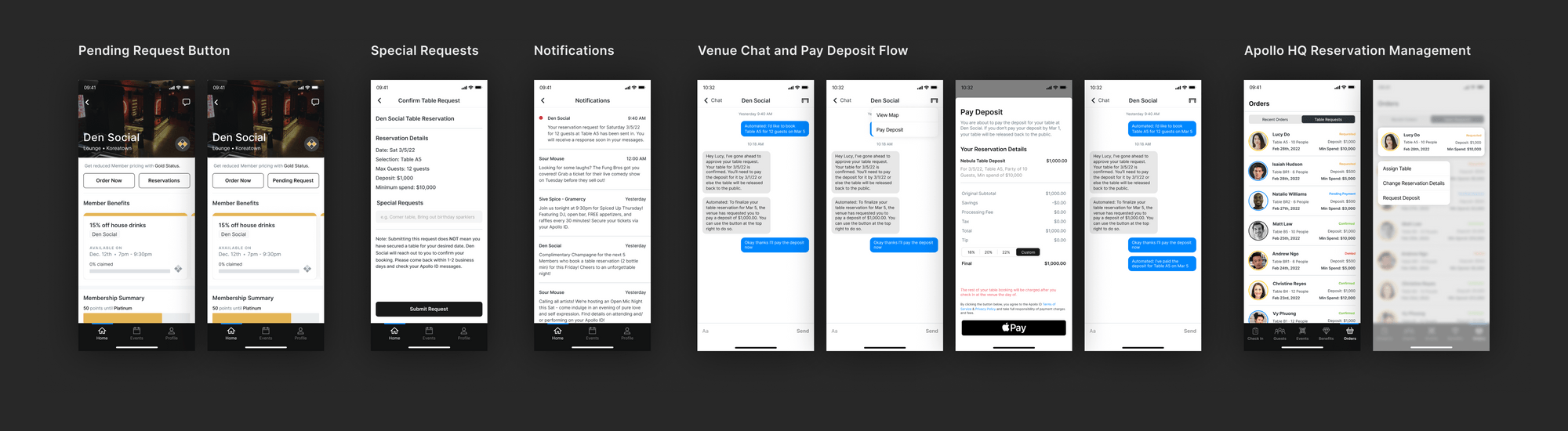
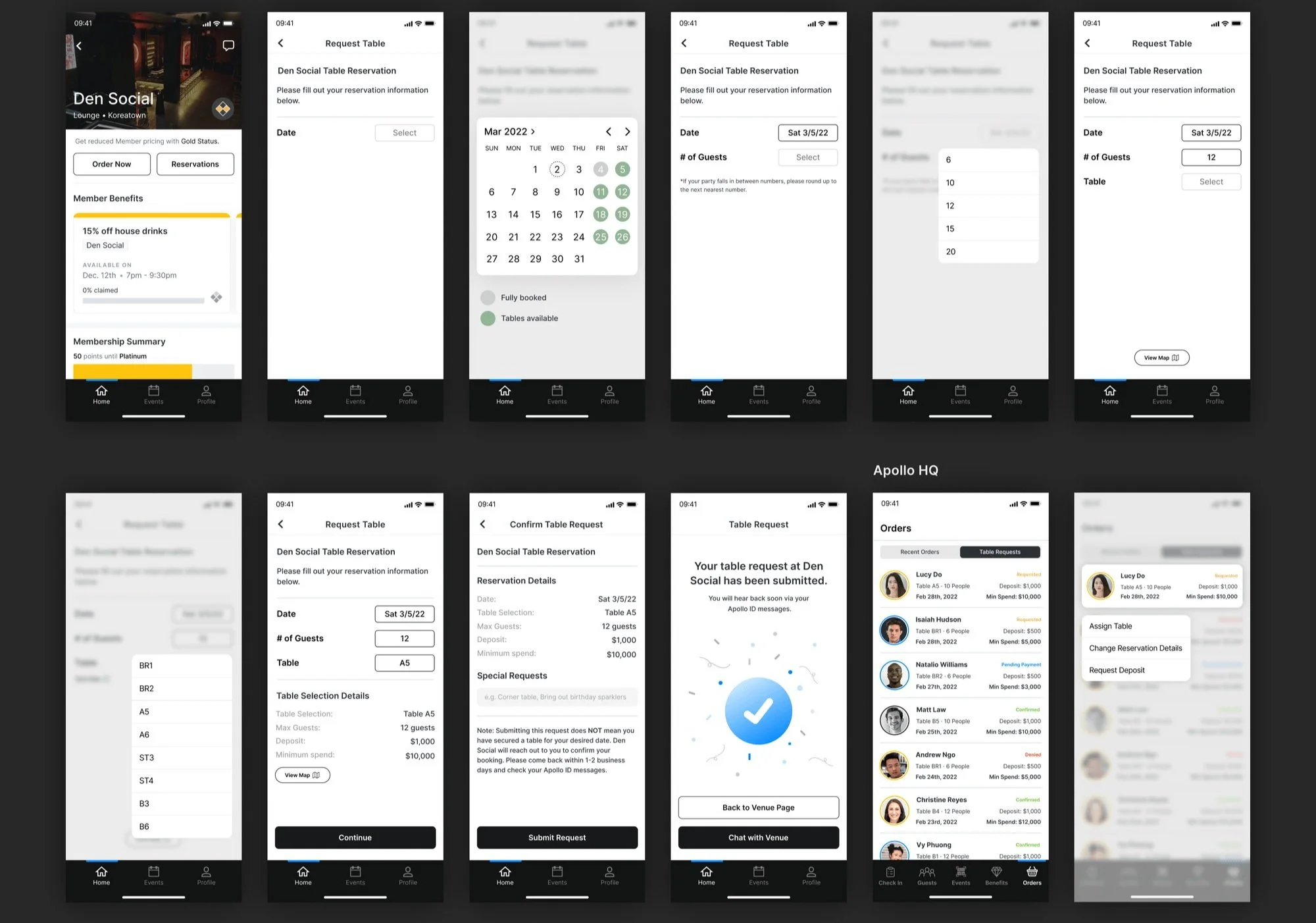
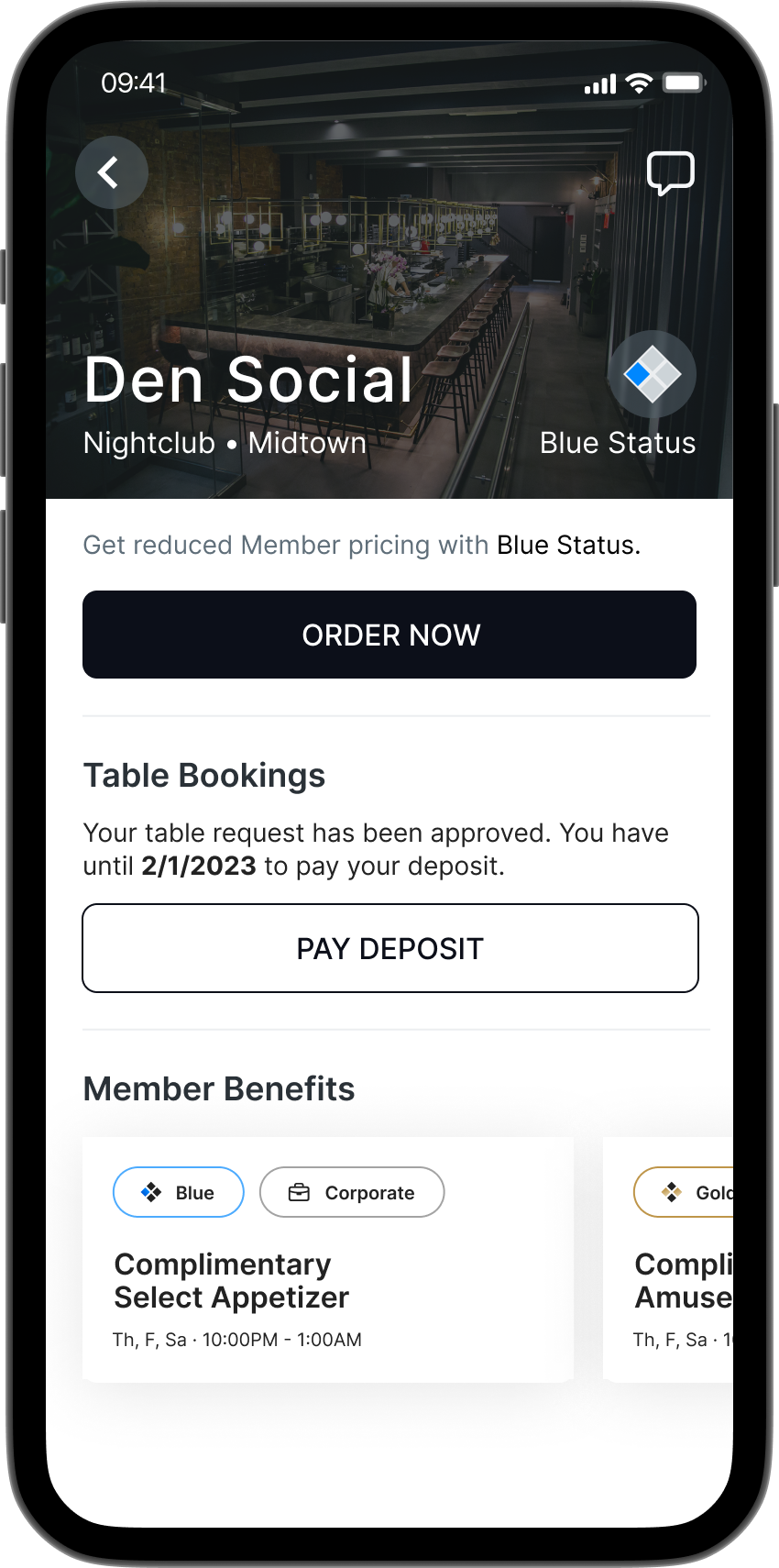
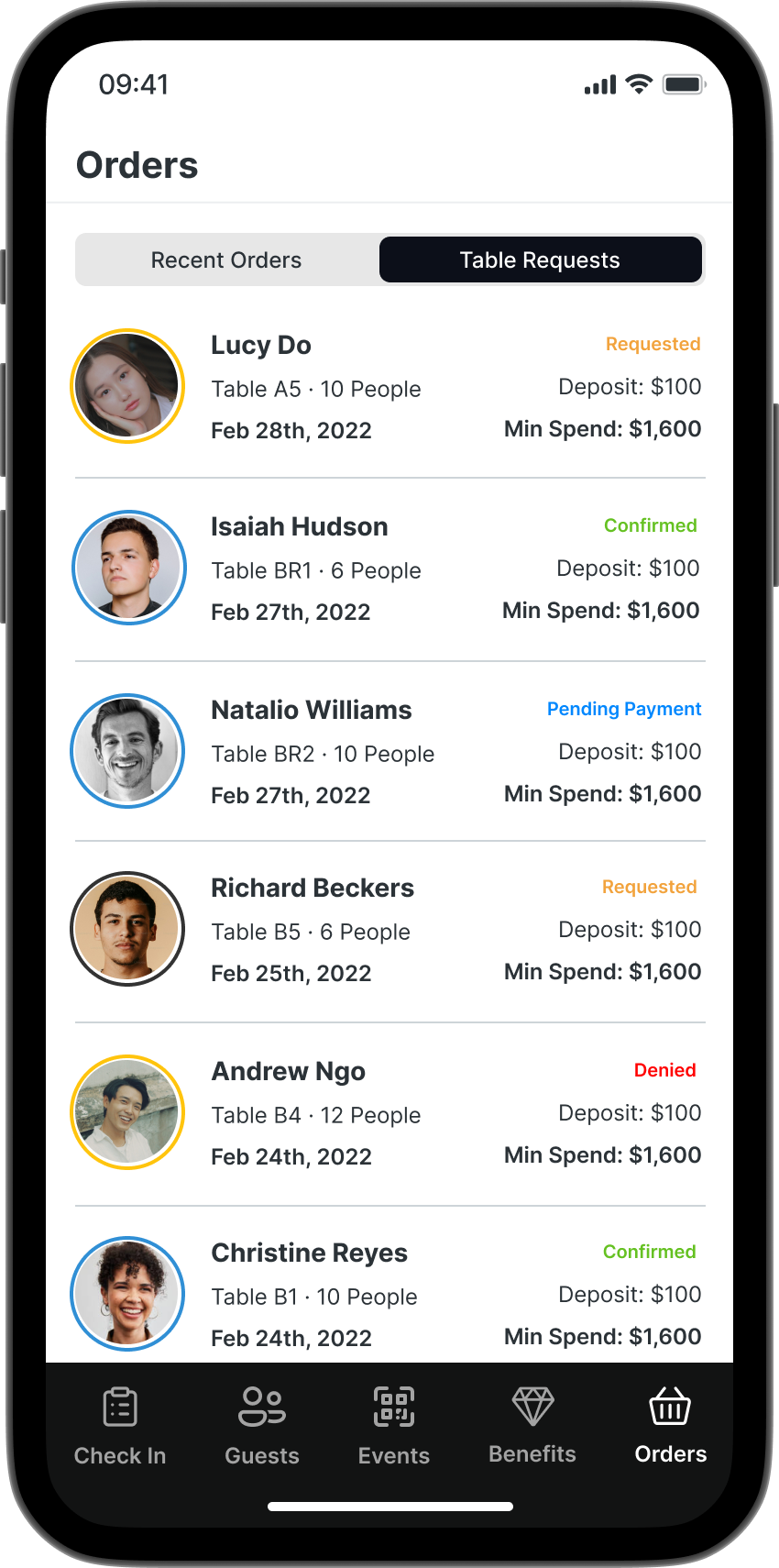
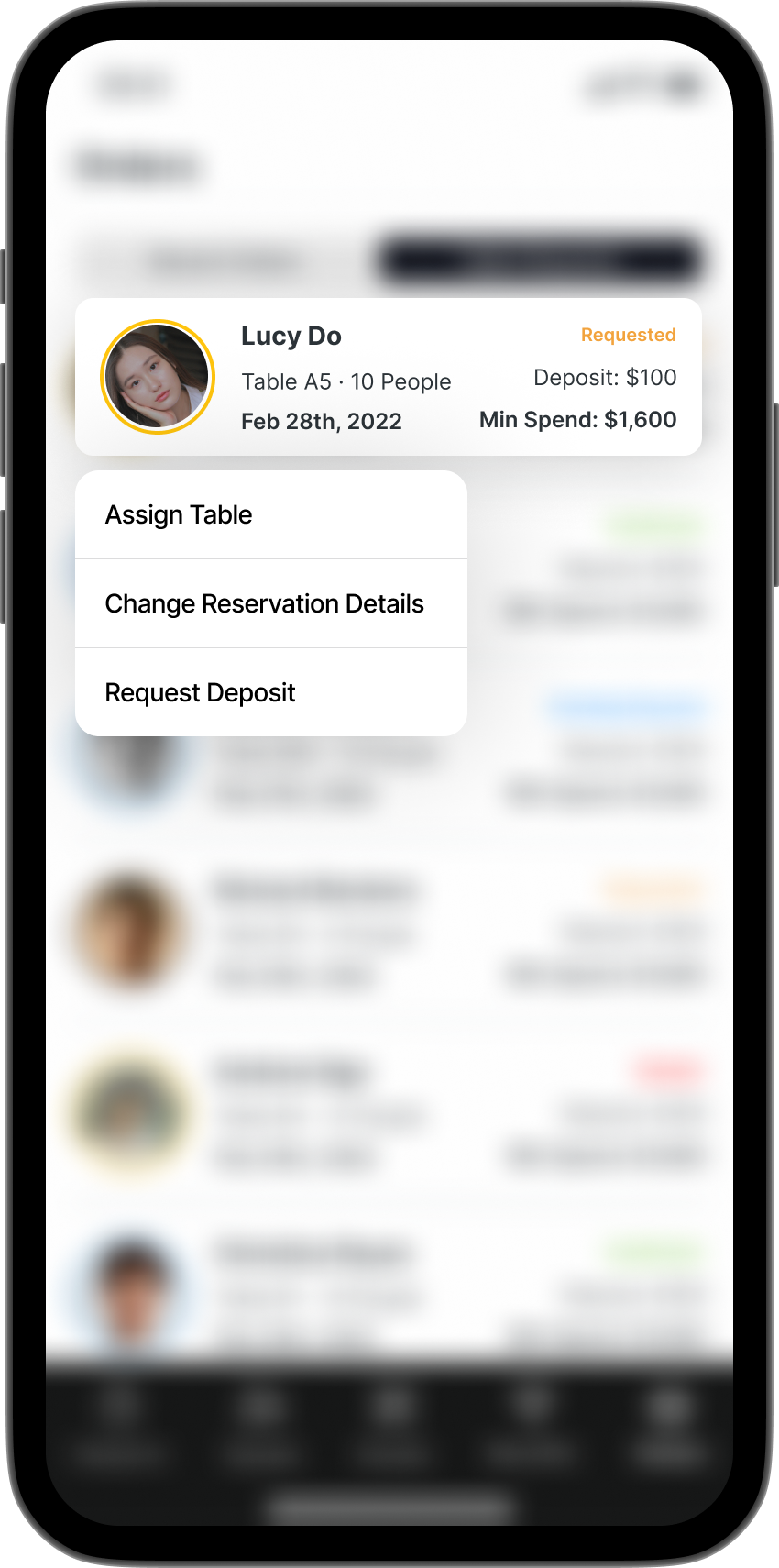
Armed with these questions, I redesigned the flow to address each gap. Key additions on the consumer side: a "pending request" status indicator, a special requests input field, integration with the existing notification system, and a streamlined deposit flow. Complex features like adding friends to reservations were intentionally deferred to V2 to control scope.

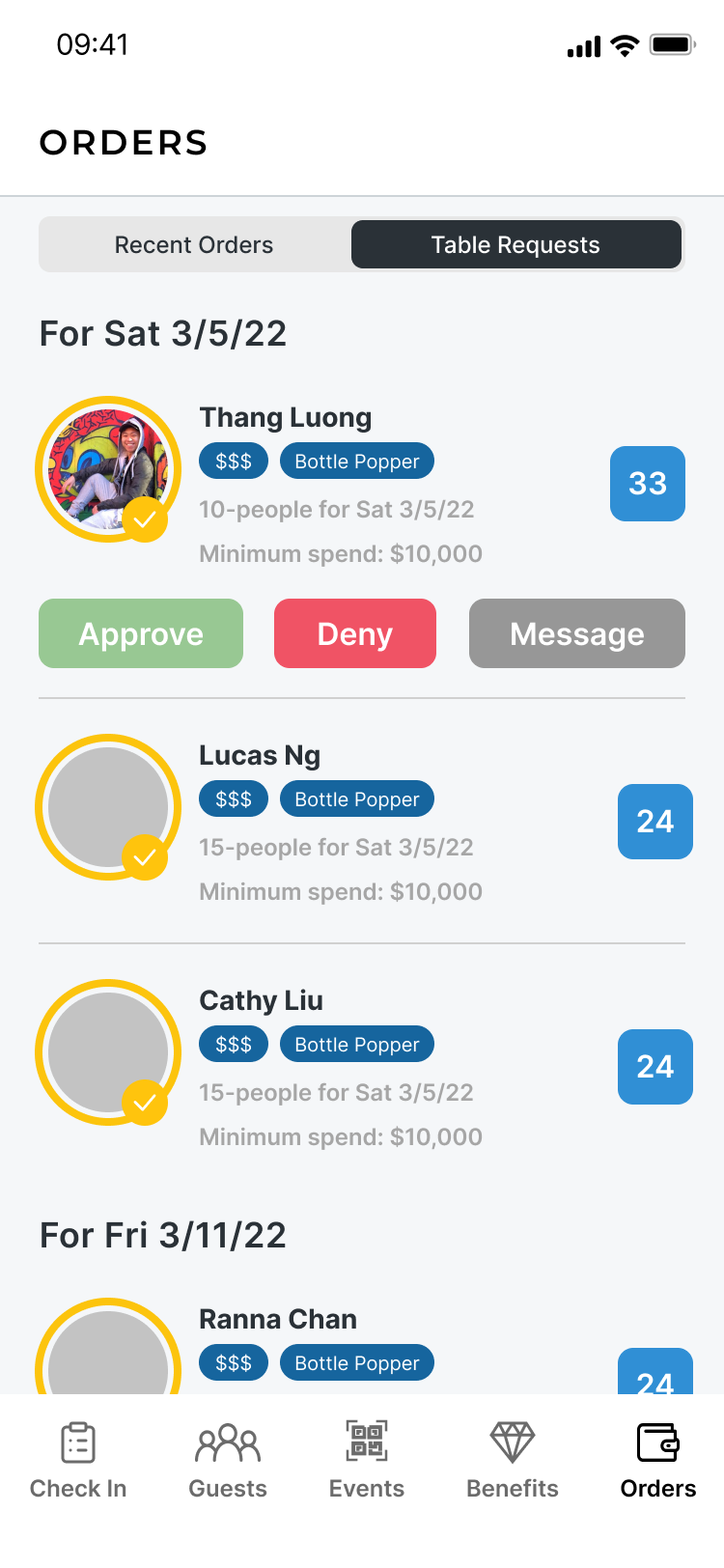
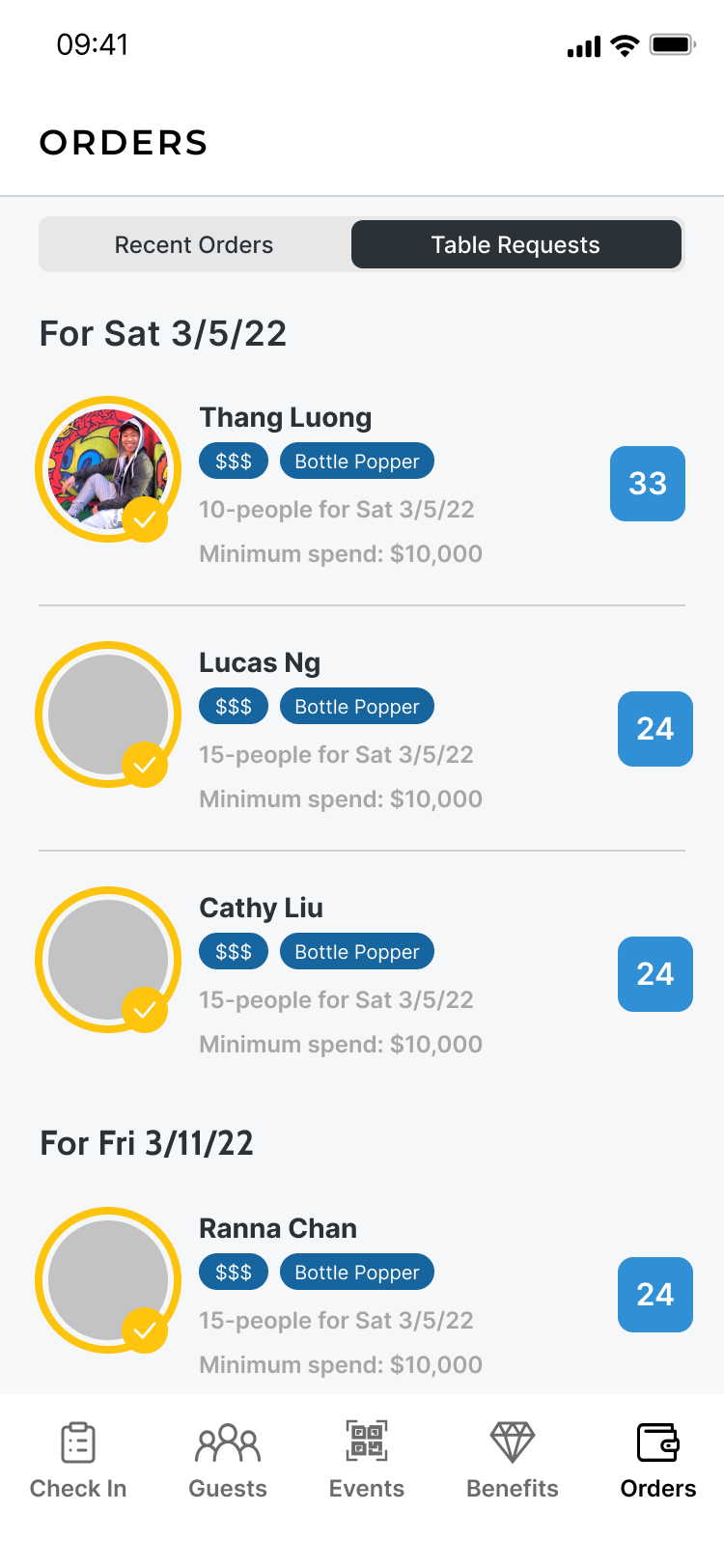
On the venue side, designed new Apollo HQ screens for staff to review, approve, and manage incoming reservation requests — a workflow that didn't exist before.

Apollo Internal Feedback
Apollo MVP 2 Screen 1
Apollo MVP 2 Screen 2
Implementation

Collaborating with Engineering

Entered a collaborative phase with the CTO / lead engineer to build the feature. Beyond UI implementation, this involved deep discussions on backend logic: how reservation states flow (pending → approved → confirmed), deposit processing, and notification triggers.

100+
Partner Venues
$47K
Monthly Revenue (May '23)
56%
MoM Revenue Growth
Launch

From Bars to Restaurants

Reservations launched January 2023, initially for bar and nightclub partners, then expanding to restaurants. Member reservations drove $30K in April 2023 and $47K in May 2023 in app revenue — consistent month-over-month growth that validated the feature's impact on the business.

Next Steps

Social Layer Integration

Planned V2 iterations include integrating the social layer: members will be able to add friends to existing reservations, split deposits and payments within the app. These features will be revisited as the platform's social infrastructure matures.

Apollo ID Final Showcase
Next Project
SANVO ECOSYSTEM